Pit, Wall, Window or Drain: Where Naperville Basement Water Comes From
The fastest way to the right fix is to notice exactly where the water appeared and when. The City of Naperville groups basement water into a few patterns. Each answer comes first, then where to read more.
In Naperville, water rising out of the sump pit points to the pump or drainage system; water along a crack or joint is seepage; water over a window sill is window well overflow; water from a floor drain or toilet is a sewer backup; water pouring in at ground level during a storm is overland flooding.
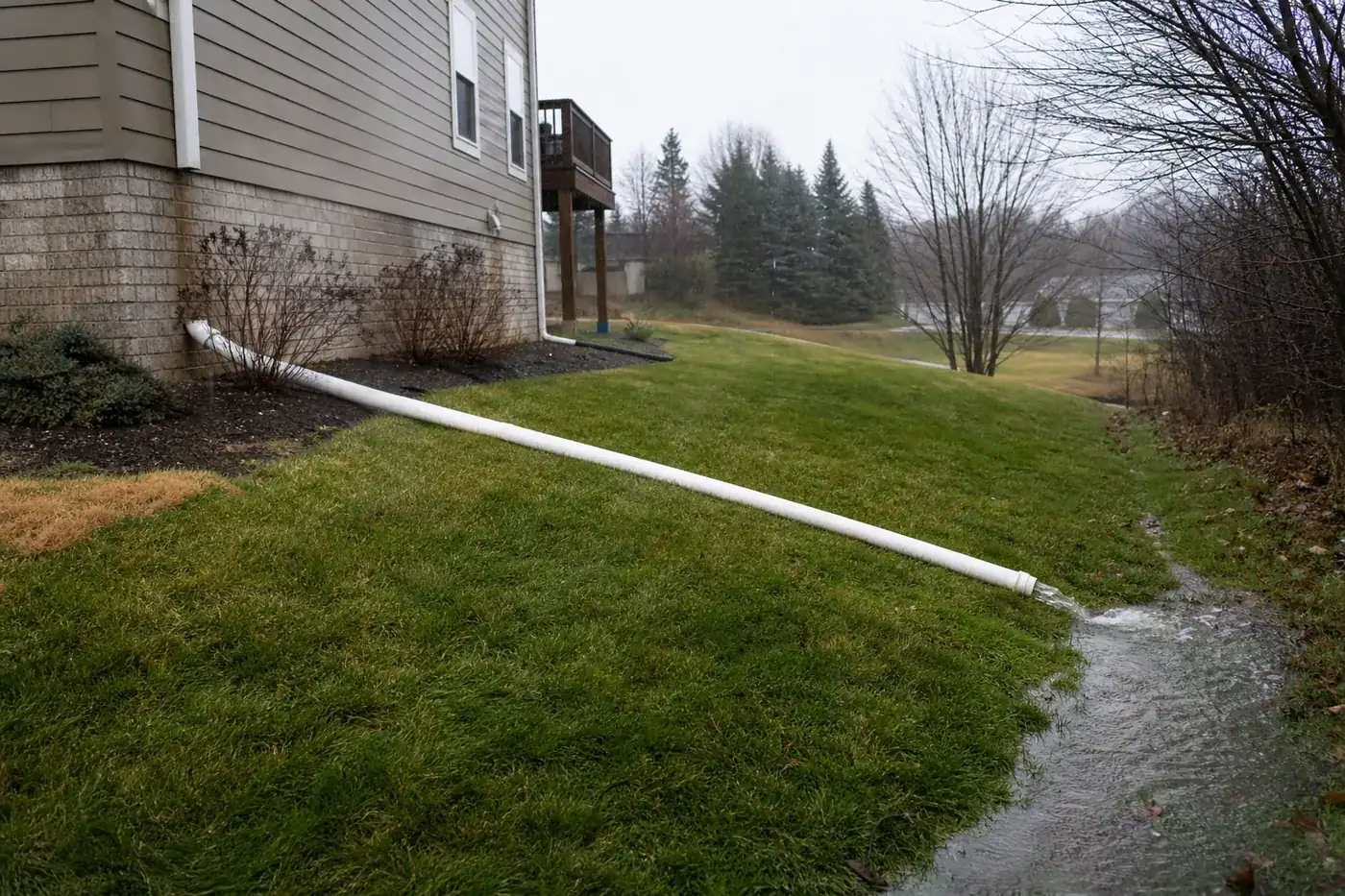
Water came up out of the sump pit
The pump was overwhelmed, failed or lost power, or its discharge is blocked. Check whether downspouts and the discharge line send water away, then consider pump capacity and a backup. See sump pumps and backups.
A damp line along a crack or the wall-floor joint
Seepage, usually after rain, from water sitting against the foundation. The city's first step is making sure water drains away from the house. See seepage and window wells.
Water poured in over a basement window
Window well overflow: the well filled faster than its drain could empty it, or the drain is blocked. Grading, a clear drain, a cover or a taller well rim are the city's suggested fixes.
Water or sewage came up through the floor drain
A sanitary sewer backup, not groundwater. The city asks residents to contact its Water Utility. Protection options are on the floor-drain backup page.
Water came in at ground level during a storm
Overland flooding from surface runoff. The city says water flowing into basement windows or doors during a flood may warrant city review. Check your flood risk on the FEMA Flood Map Service Center or the DuPage County parcel viewer, as the city suggests.
No water, but a musty smell or damp walls
Humidity and condensation rather than leaks, especially on cool walls in summer. A dehumidifier helps; Fixr lists installed dehumidifier systems at $1,000–$2,800. If the smell lingers, look behind finished walls and under carpet near the pit.
Puddles in the yard after rain
The city lists blocked street inlets, undersized storm sewers, blocked overland flood routes and poor grading as causes of ponding, along with settlement and erosion from sump and downspout discharge. Ponding near the foundation feeds seepage and pump load. Costs to regrade are in the Naperville cost guide.
What happened in your basement?
A short note is enough: the sump overflowed, the power went out in a storm, water came through a window well, or the floor drain backed up. One independent waterproofing specialist who works in Naperville will get in touch.